
Tips for Installing IP Cameras at Your Business Premises
November 17, 2023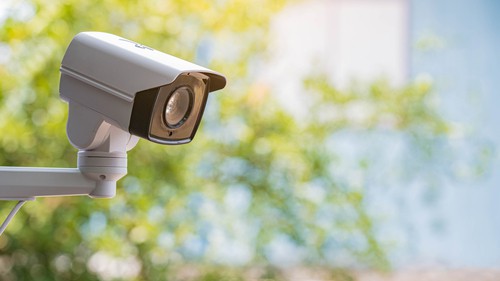
The Benefits of Infrared CCTV Cameras
February 7, 2024Outdoor vs Indoor IP Cameras: What’s the Difference?

Outdoor vs Indoor IP Cameras: What's the Difference?
Outdoor vs Indoor IP Cameras: What’s the Difference? In the realm of home security, surveillance cameras play a pivotal role in safeguarding property and deterring criminal activity.
This article aims to delineate the differences between outdoor and indoor IP (Internet Protocol) cameras, offering insights to assist homeowners in making informed decisions that best suit their security needs.
Understanding IP Cameras
IP cameras have revolutionized home surveillance by transmitting footage over a network, providing superior image quality and advanced features compared to traditional analog cameras.
They are versatile, offer remote viewing capabilities, and integrate seamlessly with other smart home devices, making them a preferred choice for modern home security systems.
Key Differences Between Outdoor and Indoor IP Cameras
The primary distinction between outdoor and indoor IP cameras lies in their design and functionality.
Outdoor cameras are built to withstand harsh weather conditions and potential vandalism, featuring robust construction and weatherproofing.
Indoor cameras, on the other hand, are designed with a focus on blending into home interiors and often come with features tailored for monitoring indoor spaces.
Use Cases for Outdoor IP Cameras
Outdoor IP cameras are indispensable for monitoring perimeters, driveways, and entrances.
Key features include weatherproofing to resist rain, wind, and extreme temperatures, and durability to withstand environmental challenges.
Night vision capabilities are also crucial for effective 24/7 surveillance in outdoor settings.
Use Cases for Indoor IP Cameras

Indoor IP cameras are ideal for monitoring interior spaces such as living rooms, nurseries, and hallways.
They often come equipped with two-way audio for communication, are less intrusive in design, and can be easier to install.
Privacy is a significant consideration, with some models featuring modes to respect the privacy of inhabitants.
Weather Resistance and Durability
Outdoor IP cameras are engineered with weather-resistant features such as water-resistant casings and temperature resilience.
This durability ensures they function optimally in diverse environmental conditions, from scorching heat to freezing cold.
Night Vision and Low-Light Performance
Night vision is a critical feature for outdoor cameras to ensure continuous surveillance regardless of lighting conditions.
Indoor cameras may not require as extensive night vision capabilities, given the controlled lighting environment within homes.
Field of View and Lens Types
The field of view differs significantly between outdoor and indoor cameras. Outdoor cameras often have a wider field of view to cover expansive areas, while indoor cameras may have a narrower focus.
Lens types, such as fixed or varifocal, play a role in determining the camera’s field of view and adaptability to different surveillance needs.
Privacy and Two-Way Audio

Indoor IP cameras raise more privacy concerns, necessitating features like privacy shutters or modes that disable recording at certain times.
Two-way audio is a prominent feature in indoor cameras, allowing for communication between the homeowner and family members or pets.
Installation and Mounting Options
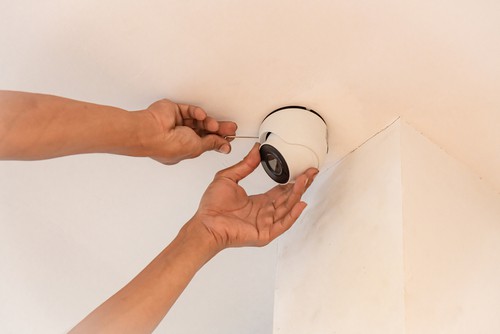
Installation for outdoor cameras requires consideration of weather exposure and optimal viewing angles, often necessitating professional installation.
Indoor cameras offer more flexibility, with options for shelf placement or wall mounting, and are generally easier for DIY installation.
Cost Considerations
The cost of outdoor and indoor IP cameras can vary significantly. Outdoor cameras are typically more expensive due to their robust build and advanced weatherproofing features.
Indoor cameras, offering simpler designs and less extensive environmental protection, are often more budget-friendly.
Maintenance and Care
Outdoor cameras require regular maintenance to ensure lenses remain clear and casings are intact.
Indoor cameras generally require less maintenance but should be kept clean and checked for proper functioning.
Remote Monitoring and Mobile Apps

Both outdoor and indoor IP cameras offer remote monitoring capabilities, allowing homeowners to view live footage or recorded clips via smartphones or computers.
Mobile apps enhance the convenience of surveillance, offering features like push notifications, live streaming, and playback.
Choosing the Right IP Camera
Continuing from the exploration of outdoor and indoor IP cameras, it’s essential to understand how to choose the right IP camera that aligns with your specific home security needs. Here’s a guide to assist you in making this important decision:
1. Identify Your Surveillance Needs
Assess whether you need indoor surveillance, outdoor surveillance, or a combination of both. Consider the areas of your property that require monitoring and the primary purpose of the cameras, such as deterring intruders, monitoring for safety, or keeping an eye on pets.
2. Consider Camera Placement
For outdoor cameras, consider high-traffic areas like front and back doors, driveways, and entry gates. For indoor cameras, common areas, hallways, or specific rooms might be the focus. Ensure the camera’s field of view covers the necessary areas.
3. Evaluate Video Quality Requirements
Decide on the necessary resolution based on what you need to capture. Higher resolution cameras are ideal for identifying details such as faces or license plates. For general surveillance, a standard resolution might suffice.
4. Look for Necessary Features
Depending on your needs, look for features like night vision for low-light areas, motion detection for alerting you of activity, two-way audio for communication, and pan-tilt-zoom (PTZ) capabilities for a wider range of view.
5. Check for Weather Resistance in Outdoor Cameras
If selecting an outdoor camera, ensure it has a suitable IP (Ingress Protection) rating for weather resistance. It should be durable enough to withstand the specific environmental conditions of your location.
6. Determine Connectivity Options

Decide whether you prefer a wired or wireless setup. Wired cameras are generally more reliable but require more complex installation, while wireless cameras offer flexibility in placement but may have limitations in signal range.
7. Assess Storage Options
Consider whether you prefer local storage (such as SD cards or NVRs) or cloud storage. Cloud storage offers convenience and remote access, but it may come with additional costs.
8. Examine Integration Capabilities
If you have a smart home ecosystem, check how well the IP camera integrates with your existing smart devices. Seamless integration allows for more cohesive and efficient home security management.
9. Plan Your Budget
Determine your budget for the surveillance system. While it’s important not to compromise on essential features, there are options available at various price points that can meet a range of budgetary needs.
10. Read Reviews and Seek Recommendations
Research customer reviews and seek recommendations to gauge the performance and reliability of different IP camera models and brands.
11. Understand the Setup and Maintenance
Consider the ease of installation and ongoing maintenance requirements. It’s important to choose a camera that you can comfortably set up and maintain.
12. Privacy and Security
Ensure the camera provides adequate security measures to protect your data and footage. Look for features like data encryption and secure login processes.
By carefully considering these aspects, you can choose an IP camera that not only meets your home security needs but also fits your lifestyle, budget, and technical capabilities.
This thoughtful approach will lead to a more secure, convenient, and efficient home surveillance system.
Outdoor vs Indoor IP Cameras: What’s the Difference? – Conclusion

Understanding the differences between outdoor and indoor IP cameras is crucial in tailoring a home security system to your specific requirements.
While outdoor cameras provide robust surveillance of a property’s exterior, indoor cameras offer discreet monitoring of internal spaces.
Homeowners should assess their unique security needs, considering factors like environment, surveillance coverage, and budget, to choose the most suitable type of IP camera for a secure and protected home
Are you seeking a professional and reliable CCTV installation or supplier in Singapore? Contact us today!


